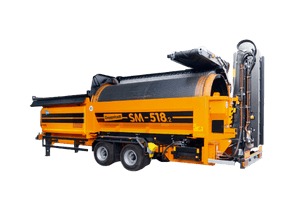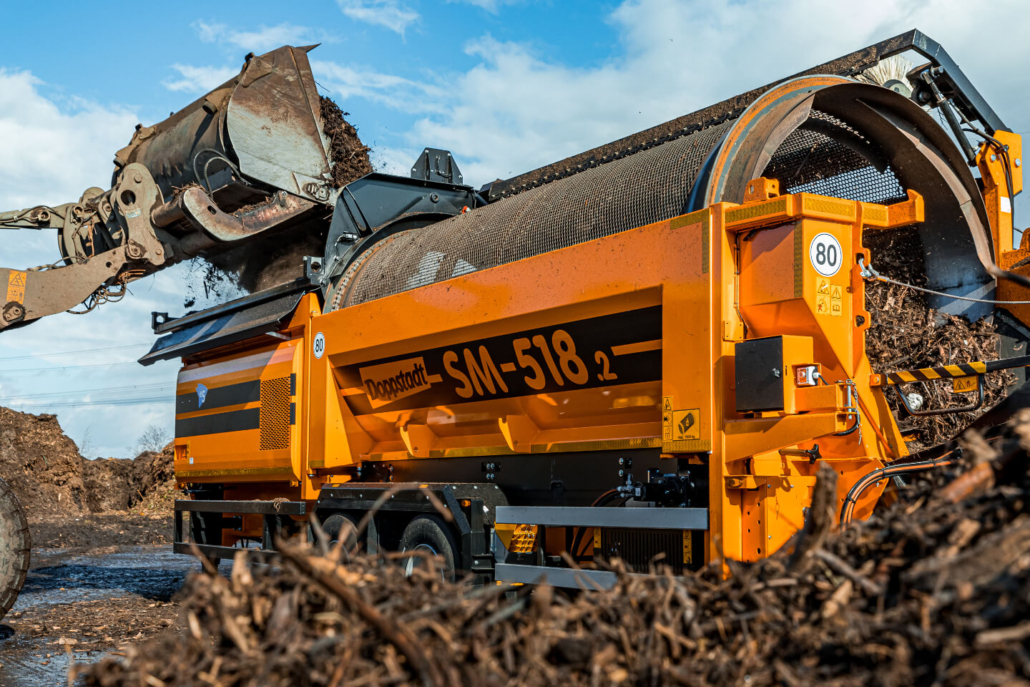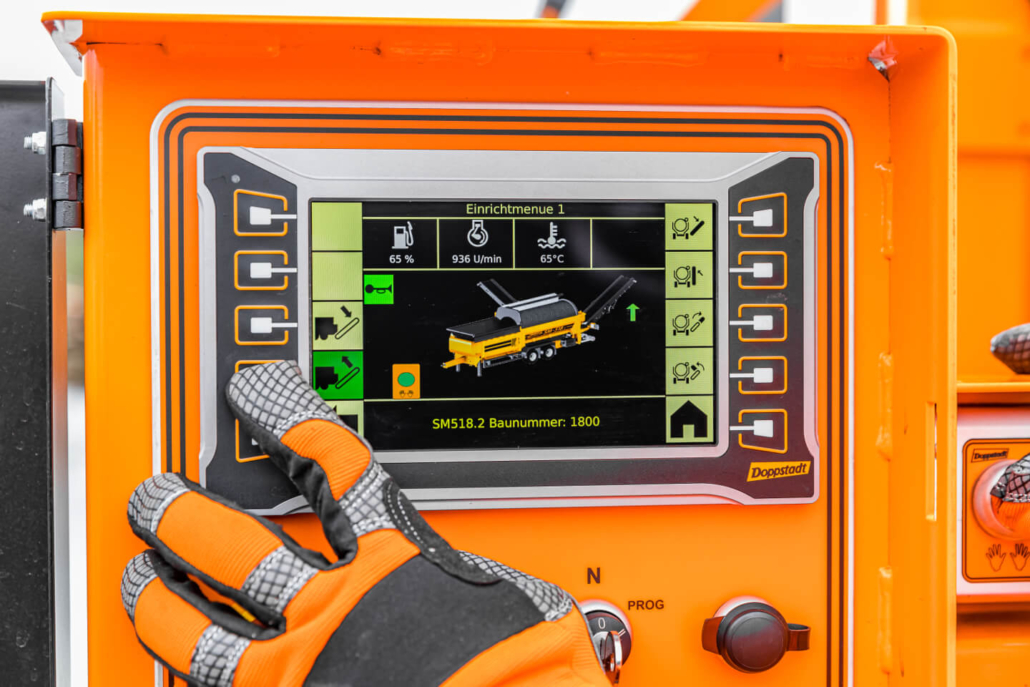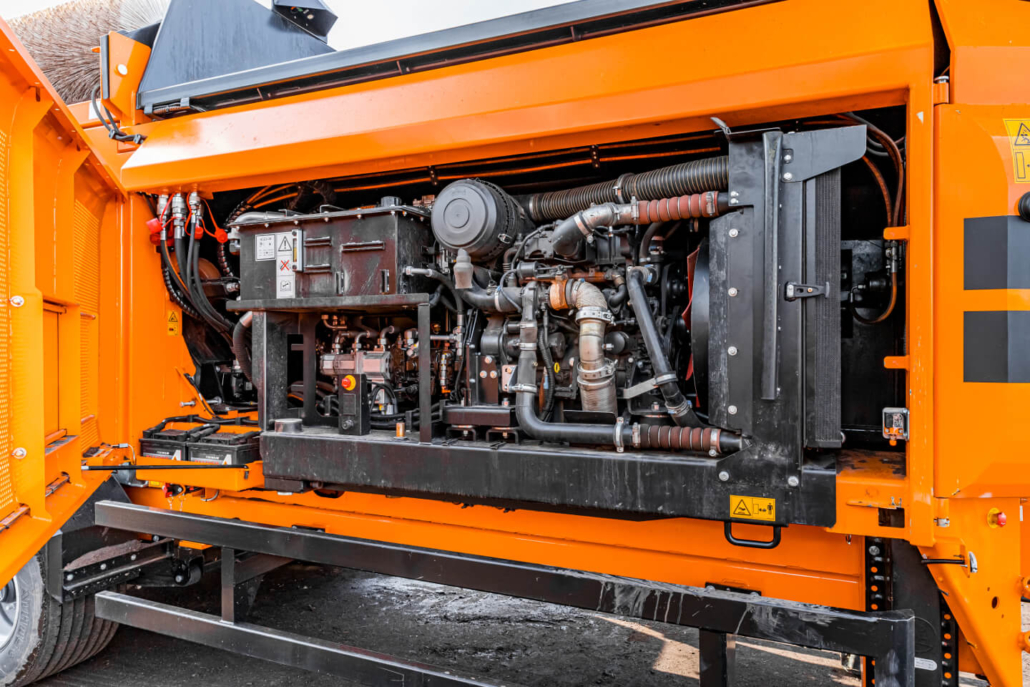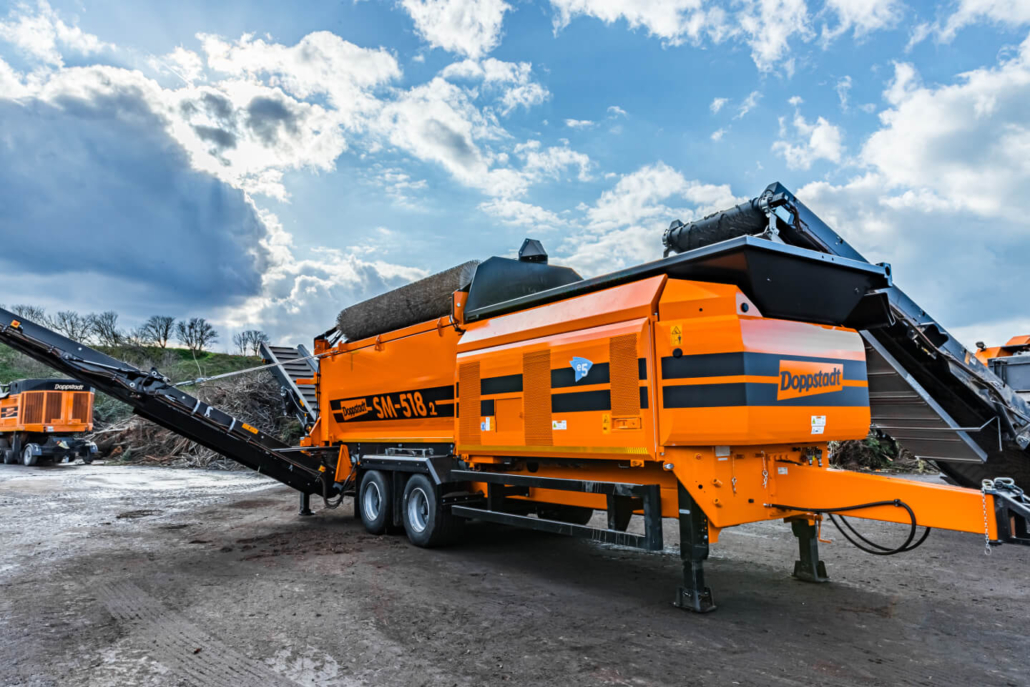
SM 518.2 – Trommel Line

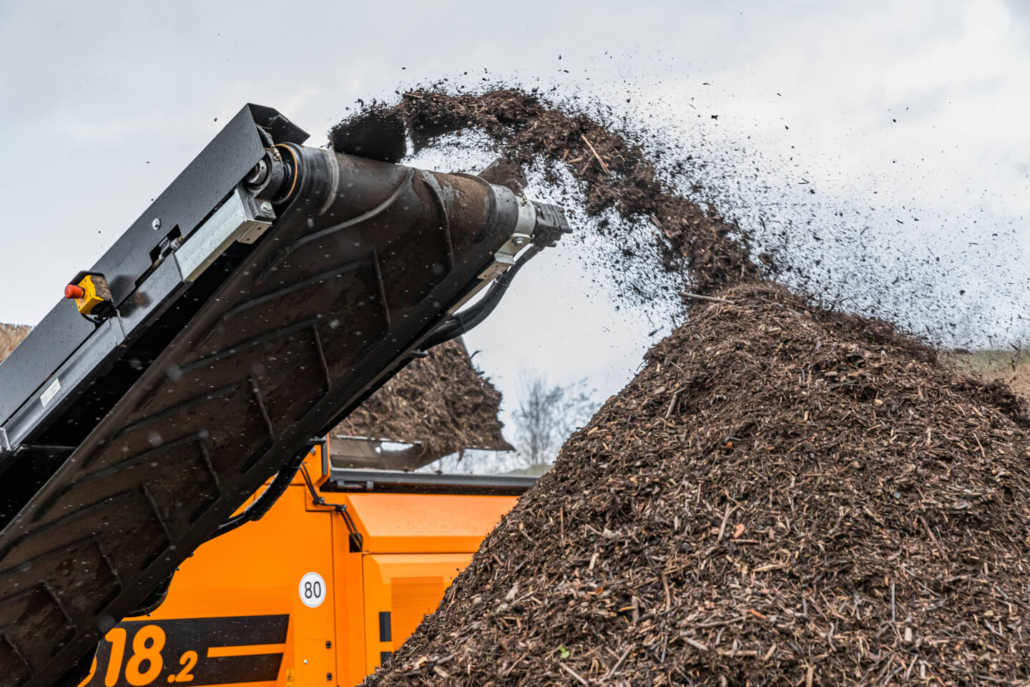
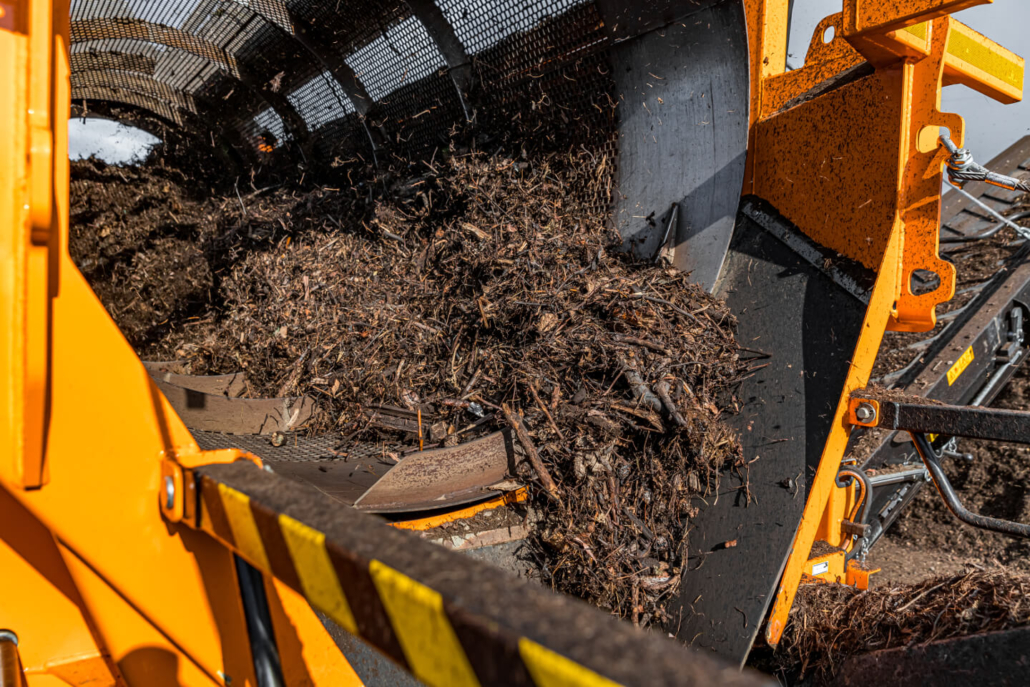
Although the SM 518.2 is our smallest model in the screening machine range, it is still highly efficient and flexible. A wide variety of materials from areas such as waste wood or compost processing or commercial waste can be screened out into up to 4 separate fractions and processed directly.

This model is designed to make your work processes as quick and simple as possible: This is ensured, among other things, by an innovative quick-change system for the screening drum and many options for adapting to a wide variety of requirements. Thanks to the worldwide street legal and comparatively small dimensions, the SM 518.2 offers you the perfect mobility with the greatest possible flexibility.

Technical training level 1

  • Structure and function of the machine
  • Structure and function of the individual assemblies
  • operation of the machine
  • Instruction of the machine to an end customer
  • maintenance work on the machine
  • Safety and safety rules when handling the machine
  • Use of materials in relation to the functionality
  • First contact DoppDiagnostic
  • Explanations of licenses
  • Explanation of the structure and functionality
  • Step by step to the error with DoppDiagnostic
  • Diagnostic exercises with DoppDiagnostic

Technical training level 2

  • Structure, function, and diagnosis of the electronic components
  • Structure, function, and diagnosis of the hydraulic components
  • Adjustment work on the machine
  • Functional structure of the mechanical components
  • Dismantling and assembly of electrical, hydraulic, and mechanical components
  • Structure, function, and maintenance of the engine
  • Structure, function, and maintenance of the exhaust after-treatment
  • Troubleshooting on the machine, including with DoppDiagnostic
  • DoppDiagnostic – license extension (if required)

Sales training

  • Structure and process engineering of the machine
  • Structure in the system or as a "solo machine"
  • Explanations of machine operation
  • Statements of the USP
  • Cost calculation
  • Position in the competition
  • Customer communication on the machine type
  • Safety and safety regulations when handling the machine
  • Machine’s use
  • Material comparison with different machine tools and settings